Sourcing and supplier selection
Identifying producers and suppliers that meet requirements for quality, availability and competitiveness.
Negotiation and international trade
Structuring commercial offers, negotiating contract terms and coordinating purchase and sale operations.
Import and export
Organising international transactions under the agreed Incoterms and the applicable documentary requirements.
Logistics and maritime transport
Coordinating with logistics partners, freight forwarders and international transport providers.
Documentation and commercial coordination
Following contracts, shipping documents, quality certificates and the related documentary procedures.
Tailored supply solutions
Finding products, formulations and commercial terms suited to the specific needs of each customer.
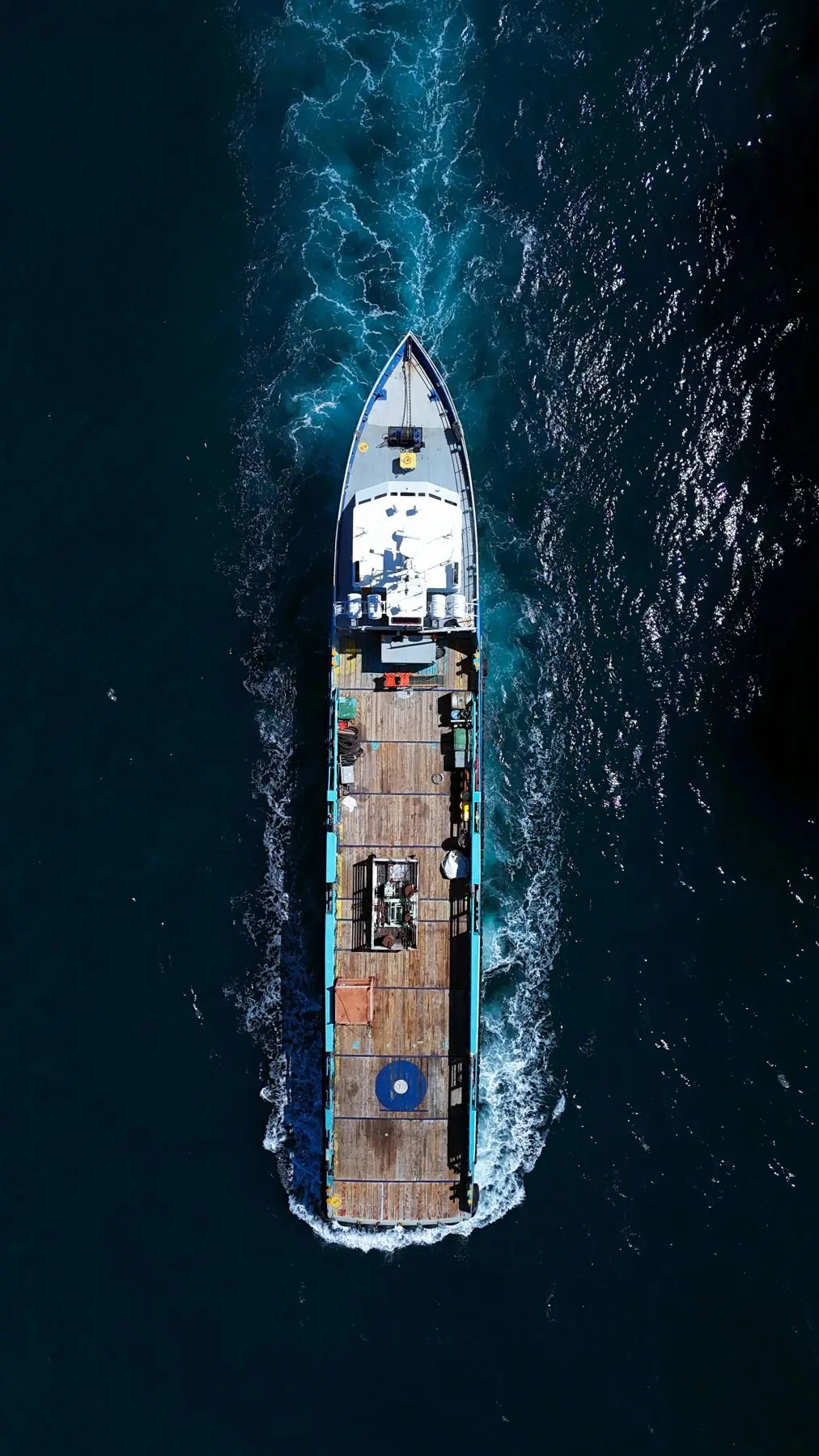
International trading
From sourcing to delivery, we coordinate the operations behind every international transaction.
How a transaction works
Every transaction is different. A typical international commodity trade follows these six stages, from first inquiry to completed delivery.
Inquiry
You tell us the product, grade or specification, quantity, destination and timing. The more precise the request, the faster and more accurate the offer.
Sourcing
We identify and qualify suppliers that match the specification, the volumes and the delivery window.
Offer
You receive a written offer: specification, price basis, delivery term, packaging, payment conditions and validity.
Contract
Both parties confirm the terms in a sales contract: quality, inspection, documents and handling of disputes.
Shipment
We coordinate loading, independent inspection where agreed, transport and, for sea freight, vessel and port operations.
Documents and follow-up
Shipping and quality documents are issued and checked, and the shipment is followed until delivery and settlement.
Delivery terms
Incoterms® rules define who organises and pays for transport and insurance, and where risk passes from seller to buyer. These terms are widely used in bulk commodity trade:
- EXW
Ex Works
The seller makes the goods available at its premises. The buyer organises transport and bears all costs and risk from that point.
- FOB
Free On Board
The seller delivers the goods on board the vessel at the named port of shipment. Risk passes to the buyer once the goods are on board; the buyer books the sea freight.
- CFR
Cost and Freight
The seller pays the sea freight to the named destination port. Risk passes to the buyer once the goods are on board at the port of shipment.
- CIF
Cost, Insurance and Freight
As CFR, and the seller also buys minimum insurance cover for the buyer's benefit up to the destination port.
- DAP
Delivered at Place
The seller delivers the goods ready for unloading at the named destination. The buyer handles import clearance and duties.
Incoterms® is a registered trademark of the International Chamber of Commerce (ICC). The term and the Incoterms® version (2020) are agreed in writing for each transaction.
Documents
Depending on the product, the destination and the delivery term, a shipment is typically accompanied by some or all of the following documents.
Commercial invoice
States the parties, goods, quantity, price and terms. The basis for payment and customs valuation.
Packing list
Details the packaging, weights and marks of each lot.
Bill of lading
Issued by the carrier: receipt for the goods, contract of carriage and, in its original form, a document of title.
Certificate of origin
Declares where the goods were produced. May be needed for customs duties and trade agreements.
Certificate of analysis and inspection report
Confirms that the product meets the agreed specification, often issued by an independent inspection company.
Safety data sheet (SDS)
Mandatory for chemicals: hazards, handling, storage and emergency measures.
Phytosanitary certificate
Issued by the plant protection authority of the exporting country for seeds and many agricultural products.
Insurance certificate
Evidence of cover for the shipment. Required under CIF and often requested by banks.
Payment
Payment terms are agreed in the contract. The most common instruments in international trade are:
Documentary letter of credit
A bank undertakes to pay the seller against compliant documents. It secures both parties and is often used for first transactions and large shipments.
Bank transfer (T/T)
Payment by wire transfer, in advance, against copies of documents or after delivery, as agreed.
Documentary collection
Banks hand over the shipping documents to the buyer against payment or acceptance. Less costly than a letter of credit, with less bank security.