Our products

Five areas of commercial activity, from fertilisers to agricultural seeds.

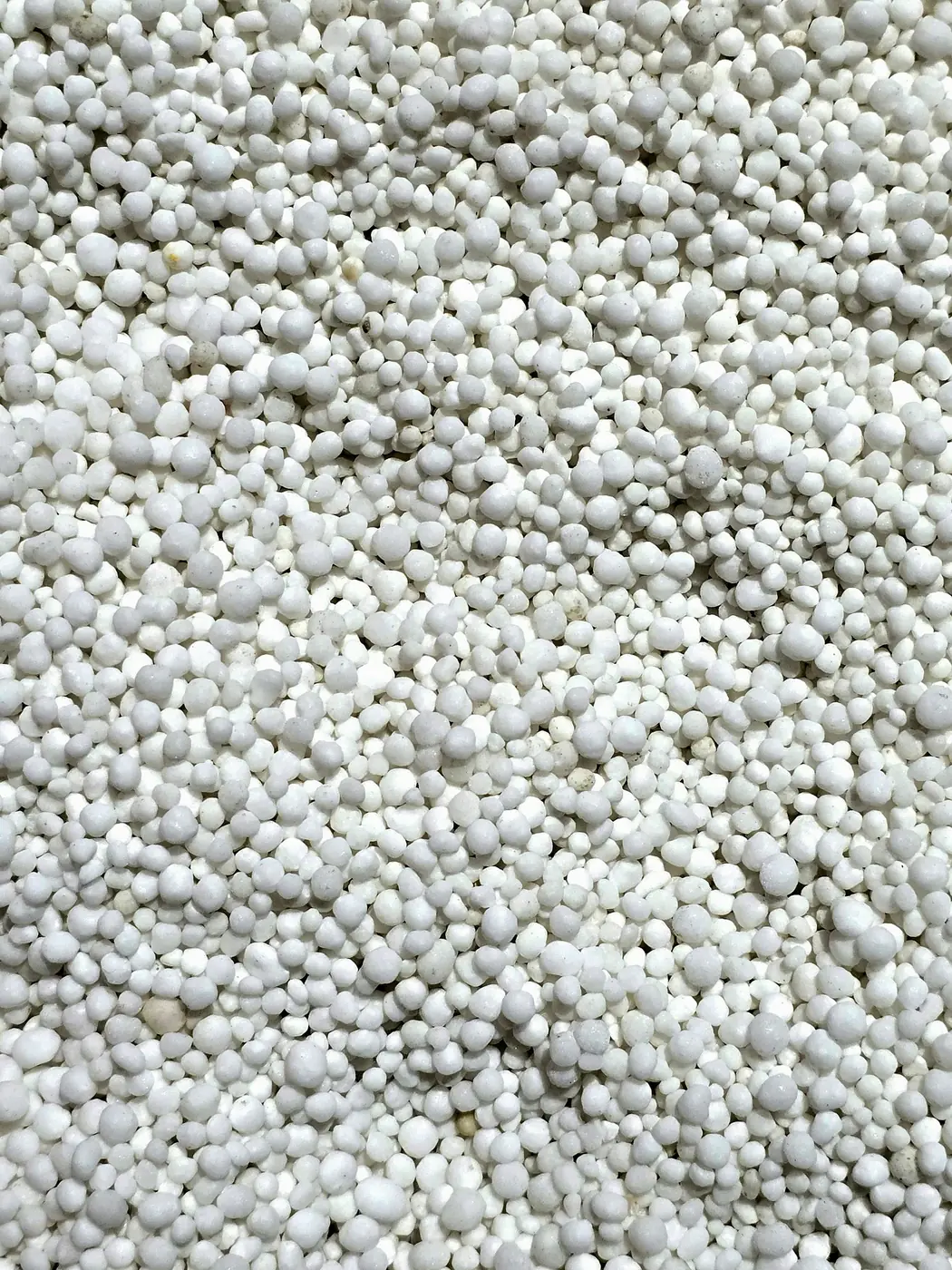
Fertilisers and plant nutrition

Granular, complex and water-soluble fertilisers for distributors, importers, agricultural companies and industrial users.

  • Urea 46 % N
  • MAP (monoammonium phosphate)
  • DAP (diammonium phosphate)
  • Granular and complex NPK
  • NPK physical blends (bulk blending)
  • Ammonium sulphate
  • Potassium sulphate (SOP)
  • Potassium chloride (MOP/KCl)
  • Water-soluble NPK and water-soluble MAP
  • Potassium, calcium and magnesium nitrate
  • Magnesium sulphate
  • Other formulations according to market needs

Typical grades

Urea 46 %
Granular or prilled nitrogen fertiliser, about 46 % N. One of the most widely used nitrogen fertilisers worldwide.
MAP (11-52-0)
Monoammonium phosphate, about 11 % N and 52 % P₂O₅. High phosphorus content, water-soluble.
DAP (18-46-0)
Diammonium phosphate, about 18 % N and 46 % P₂O₅. A common source of nitrogen and phosphorus.
Granular and complex NPK
Compound fertilisers in which each granule contains nitrogen, phosphorus and potassium. The formula is specified with each order.
NPK bulk blends
Physical mixes of granular components (for example urea, MAP or DAP and MOP) blended to the nutrient ratio required for the crop and soil. The formula is specified with each order.
Ammonium sulphate (21-0-0)
About 21 % N and 24 % S. Supplies nitrogen and sulphur.
SOP (0-0-50)
Potassium sulphate, about 50 % K₂O and 18 % S. A chloride-free potassium source for chloride-sensitive crops.
MOP (0-0-60)
Potassium chloride, about 60 % K₂O. The most common potassium source.
Water-soluble NPK and MAP
Fully soluble grades for fertigation and foliar application, including water-soluble MAP (about 12 % N and 61 % P₂O₅).
Nitrates (potassium, calcium, magnesium)
Soluble sources of nitrogen combined with potassium, calcium or magnesium, widely used in fertigation. Potassium nitrate is typically about 13 % N and 46 % K₂O.
Magnesium sulphate
Soluble source of magnesium and sulphur, used in fertigation and to correct magnesium deficiency.

Typical uses

Basal and top-dressing application on cereals, oilseeds, fruit, vegetables and other field crops; fertigation for water-soluble grades.

Typical forms and packaging

Usually shipped in bulk by vessel, or in 25 kg to 50 kg bags and 500 kg to 1 t big bags. The exact grade, granulometry and packaging are specified in each offer.

Regulatory framework

Composition, labelling and contaminant limits (for example cadmium) are regulated and differ by destination market; in the European Union, Regulation (EU) 2019/1009 on fertilising products applies. The requirements of the destination country should be confirmed before any shipment.

Mineral and industrial raw materials

Raw materials for the chemical, agricultural and processing industries, including the manufacture of fertilisers.

  • Sulphur
  • Sulphuric acid
  • Phosphoric acid
  • Rock phosphate
  • Raw materials for fertiliser manufacturing
  • Other mineral and industrial products according to customers' needs

Typical grades

Sulphur
Basic raw material for sulphuric acid and fertiliser production. Traded as granules, pellets or molten (liquid) sulphur, depending on the market; purity is generally above 99 %.
Sulphuric acid
Strong mineral acid used in fertiliser production, chemical processing and metal treatment. Commonly traded at concentrations such as 98 %.
Phosphoric acid
Used in fertiliser, food and industrial applications. Grades differ by concentration (commonly about 75 % to 85 %) and purity.
Rock phosphate
Phosphate ore used as the raw material for phosphoric acid and phosphate fertilisers. Specified by P₂O₅ content, which varies with origin, as well as moisture, particle size and impurities such as cadmium.
Raw materials for fertiliser manufacturing
Raw and intermediate materials for the manufacture of fertilisers. Product, specification and quantity are defined for each inquiry.
Other mineral and industrial products
Other mineral and industrial products according to customers' needs. Specification, origin and quantity are agreed for each transaction.

Typical uses

Production of phosphate and nitrogen fertilisers, process chemistry, metal treatment, mining and other industrial processes.

Typical forms and packaging

Sulphur in bulk (granules, pellets) or molten in heated tankers; rock phosphate in bulk by sea; acids in ISO tank containers, IBCs, drums or bulk by tanker, depending on the product and volume.

Regulatory framework

Sulphur and acids are regulated products. In Europe, REACH and CLP apply and a safety data sheet (SDS) is required; dangerous goods transport follows ADR (road), RID (rail) and IMDG (sea). Some substances, such as sulphuric acid, are monitored as drug precursors in several jurisdictions, which may require end-use documentation. Rock phosphate is subject to limits on contaminants such as cadmium, which vary by destination market. Requirements differ by country.

Industrial chemicals

Solvents and chemicals for industrial processes, traded according to contractual specifications and applicable regulations.

  • Hexane for vegetable oil extraction, particularly soybean oil
  • Industrial solvents adapted to users' technical specifications
  • Other chemicals for industrial processes

Typical grades

Industrial hexane
Petroleum-derived solvent widely used to extract vegetable oils. Highly flammable; specified by purity and distillation range.
Industrial solvents
Solvents for industrial use, supplied against the user's technical specification (purity, distillation range, water content and packaging).
Other chemicals
Other chemicals for industry, according to customer requirements and applicable regulations.

Typical uses

Vegetable oil extraction (soybean oil in particular) and other industrial processes.

Typical forms and packaging

Liquids are typically shipped in ISO tanks, IBCs, drums or in bulk by tanker, depending on the product and volume.

Regulatory framework

These are regulated chemicals. In Europe, REACH and CLP apply and a safety data sheet (SDS) is required; hexane and many solvents are highly flammable, and dangerous goods transport follows ADR (road), RID (rail) and IMDG (sea). Some solvents are monitored as drug precursors in several jurisdictions, which may require end-use documentation. Requirements differ by country.

Agricultural products and animal feed

Agricultural raw materials for the food industry and animal feed, according to buyers' requirements for quality, origin, specification and delivery terms.

  • Soybeans
  • Maize
  • Sorghum
  • Soybean meal
  • Other meals and protein raw materials
  • Raw materials for animal feed manufacturing

Typical grades

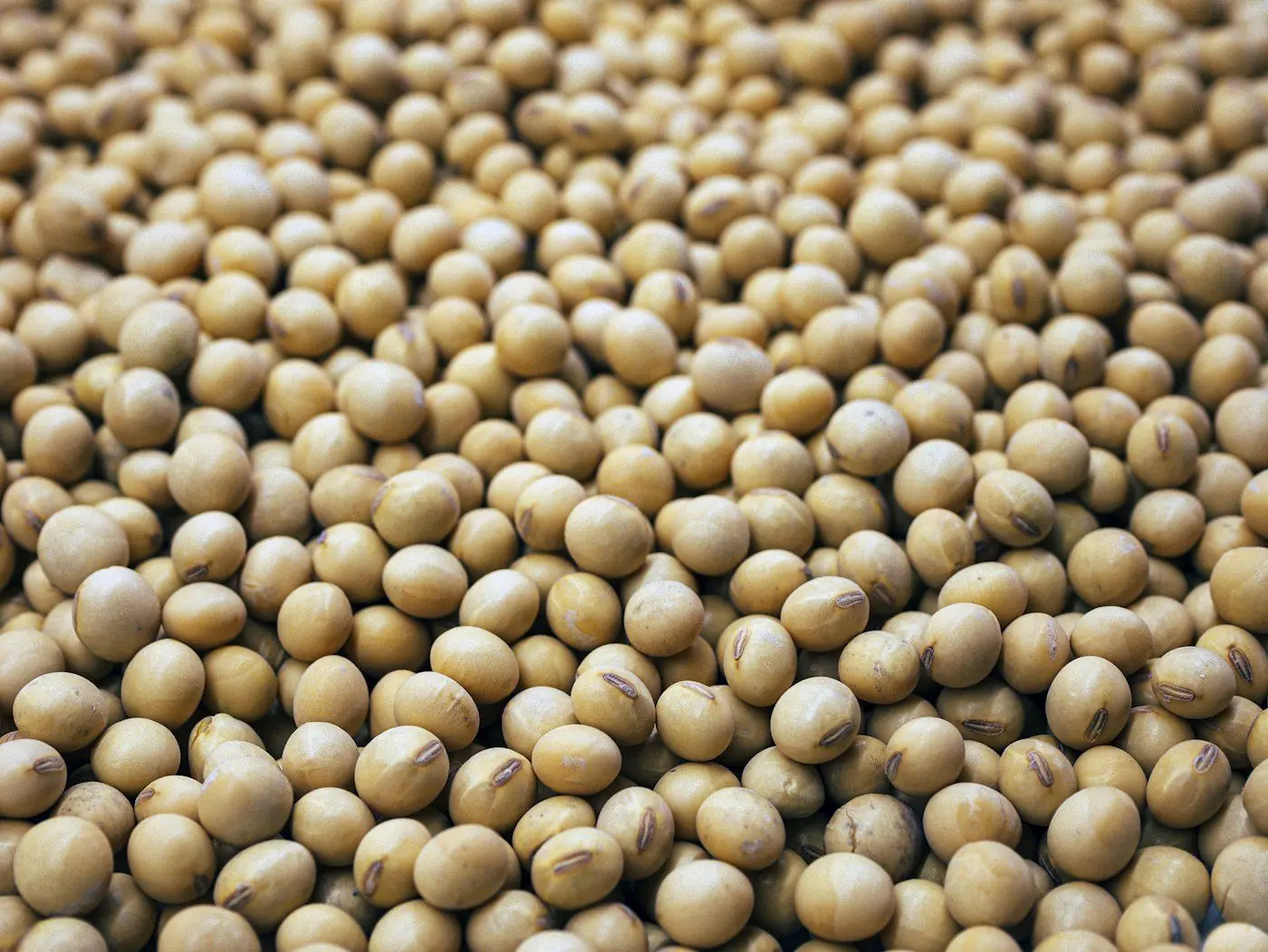
Soybeans
Whole beans for crushing, food processing or feed. Key parameters are protein, oil and moisture content and foreign matter.
Maize
Cereal used mainly in animal feed and by the processing industry. Key parameters are moisture, impurities, broken kernels and mycotoxin levels (such as aflatoxin).
Sorghum
Cereal used mainly in animal feed, an alternative to maize in many markets. Key parameters are moisture, impurities, tannin content and mycotoxins.
Soybean meal
By-product of oil extraction and a main protein source in animal feed. Traded by protein content, for example around 44 % or 48 %.
Other meals and protein raw materials
Other oilseed meals and protein raw materials for feed formulation. Protein content and other specifications are defined for each product.
Raw materials for animal feed
Raw materials for the manufacture of compound animal feed. Product and specification are defined for each inquiry.

Typical uses

Animal feed formulation, vegetable oil extraction and food processing.

Typical forms and packaging

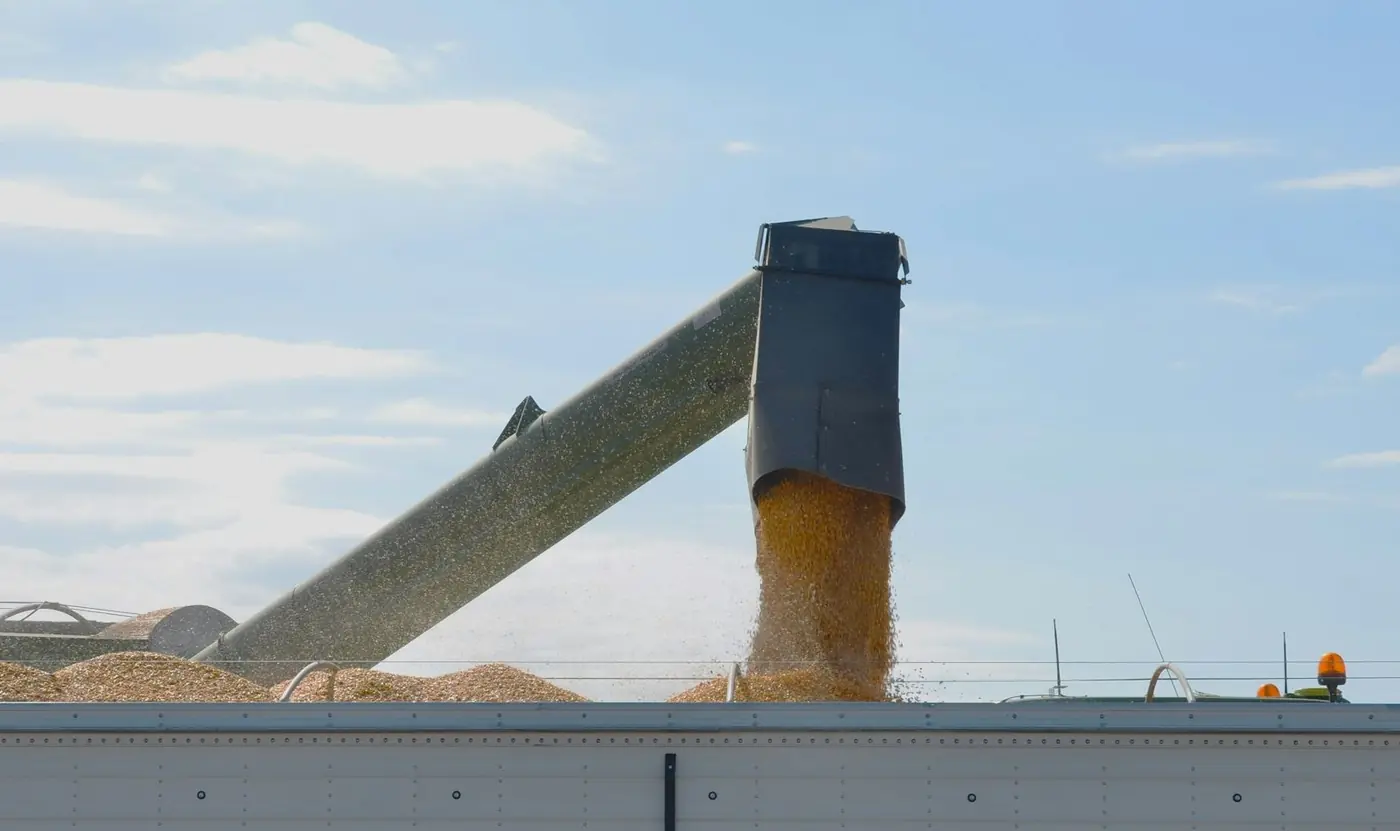
Soybeans, maize, sorghum and meals are generally shipped in bulk; containers and bags are alternatives for smaller lots.

Regulatory framework

Feed and food safety rules apply, including limits for mycotoxins and other contaminants. Import markets may require declarations or authorisations on genetically modified content, and phytosanitary certificates.

Agricultural seeds

Seeds for agricultural professionals, meeting the agronomic, technical and regulatory requirements of destination markets.

  • Cereal seeds
  • Forage seeds
  • Vegetable seeds
  • Field crop seeds
  • Other agricultural varieties according to market needs

Typical grades

Cereal seeds
Seed of wheat, barley and other cereals.
Forage seeds
Seeds of forage grasses and legumes for meadows and pasture.
Vegetable seeds
Vegetable seeds for professional growers; varieties and quantities according to the buyer's needs.
Field crop seeds
Seeds for arable crops such as oilseeds, maize, sunflower and pulses, according to the buyer's needs.
Quality parameters
Variety, purity, germination rate, thousand-seed weight and any seed treatment are specified for each lot and stated in the offer.

Typical uses

Sowing of commercial arable, forage and vegetable crops by farmers, growers, cooperatives and seed distributors.

Typical forms and packaging

Typically supplied in bags or big bags, often palletised. Treated seed requires specific labelling and handling.

Regulatory framework

Seed trade is regulated: varieties must be registered and lots certified under national or international schemes (for example the OECD seed schemes), and cross-border shipments generally require a phytosanitary certificate. Import rules differ by country.

HEYOX AG is a trading company and does not manufacture the products listed. Availability, specifications and conditions are provided on request. Figures and ranges shown are typical, indicative values.